
Mendota, CA
Fit Life Cover Into Your Family's Plans Early in Mendota, CA
Answer a few short questions now and compare term life and whole life options while there's room to think. People in Mendota, Firebaugh and Kerman use Life Insurance Mendota to get an early start, so choices about the amount, the kind of policy and the beneficiary you'd name get made on an ordinary weekday, at a pace that suits you.
- No charge to use
- Nothing to buy unless you choose
- Term life and whole life
- Begin when your week allows
Coverage options for Mendota families
Answer six short questions and a licensed agent will follow up with options that fit your situation.
- Takes about two minutes
- No obligation to buy
- Your details stay private
Free, no obligation
See your coverage options
Six short questions. About two minutes.
Term Life and Whole Life, in Short
Most people begin with one of two kinds of policy. Term life covers a set number of years, often matched to a home loan or to the years children still live at home, and it pays nothing once those years are over. Whole life lasts for your lifetime and carries cash value, which an agent can walk you through. Our Term Life Insurance and Whole Life Insurance pages look at each one more closely.

Term Life Insurance
Term life covers a set stretch of years, such as while a mortgage is paid down or children grow up, and it ends when the term does.

Whole Life Insurance
A plain guide to whole life: cover meant to last for good, the cash value it builds, and the questions worth asking before you choose a policy.
What Moves the Price of a Policy
Insurers look at the same short list of things when they work out what a policy will cost. Knowing that list ahead of time makes it easier to set a budget you can live with. It also explains why two people asking for the same amount may be offered different prices.
The insurance company sets the final price only after it reviews an application, so any early figure is just a starting point. The agent you speak with can show how each factor applies to your own answers.
- Your age when you apply
- The price is tied to your age on the day you apply, and it tends to climb as the years go by. That is one reason people look into coverage before they truly need it.
- Your health
- Health questions, and in some cases a medical exam, give the insurer a picture of your conditions and history. Answer them carefully and honestly, since the policy rests on what you tell it.
- Tobacco use
- People who use tobacco are usually charged more than people who don't. You will be asked about it in plain terms.
- How much coverage you want
- A bigger amount costs more. Tying the amount to a real purpose, such as replacing a paycheck or paying off a mortgage, keeps it from drifting up or down for no good reason.
- Number of years on a term policy
- For term life, choosing more years usually raises the price compared with fewer years at the same amount. People often match the number of years to how long a need will last, such as the time left on a home loan.
- Kind of policy
- For the same amount, whole life is usually priced higher than term life. It is built to stay in force for your whole life and it builds cash value, while term life runs only for a fixed period and is simpler as a result.
Who We Are
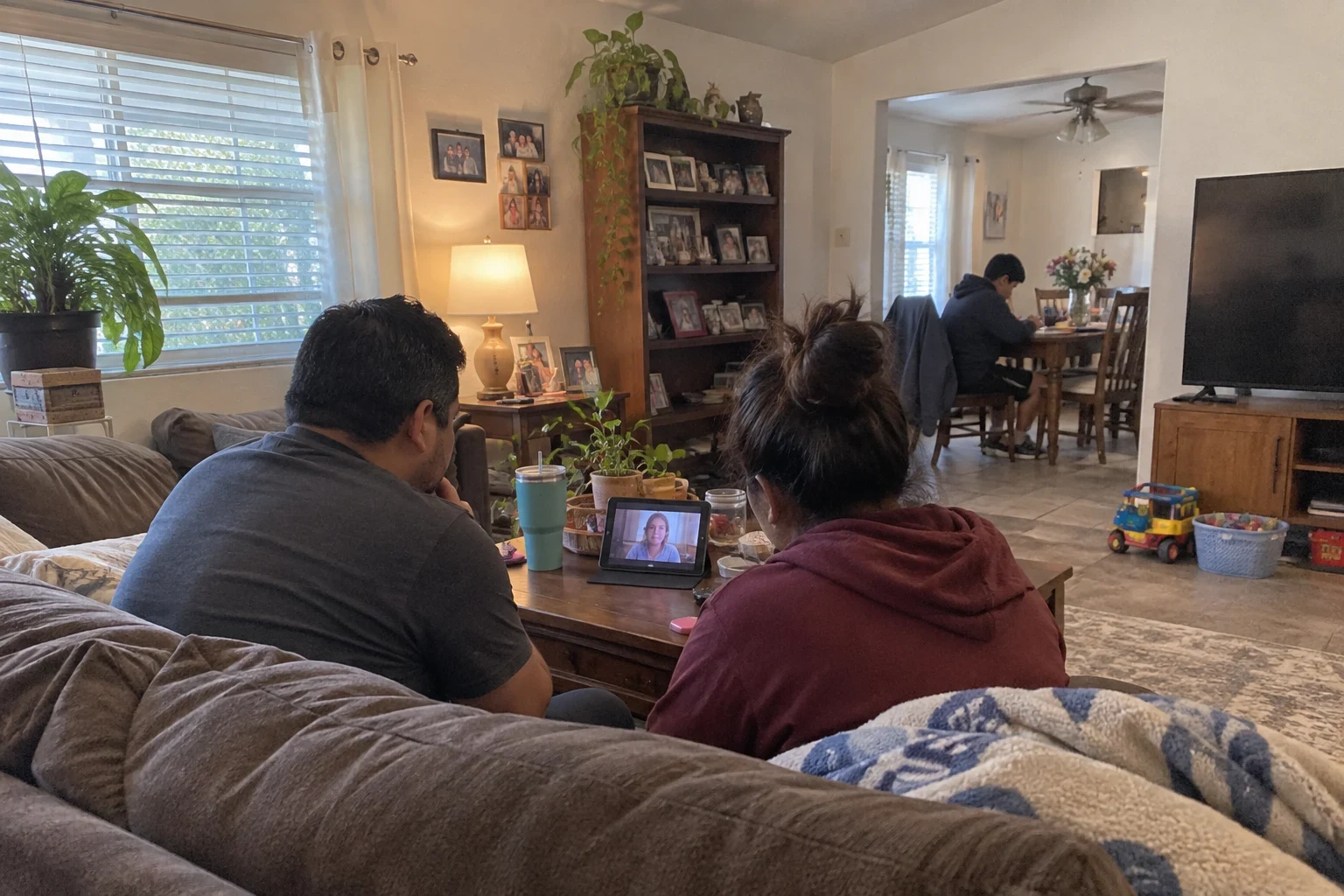
Life Insurance Mendota costs you nothing to use. Our one job is connecting you with a life insurance agent who holds a California license. We aren't an insurance company and we aren't an agent, so we never sell, price or issue a policy ourselves.
What we try to do is shrink the first step. You read the basics here, share a few details when you feel ready, and carry the conversation forward at whatever pace suits your household.
How We Make the Planning Easier
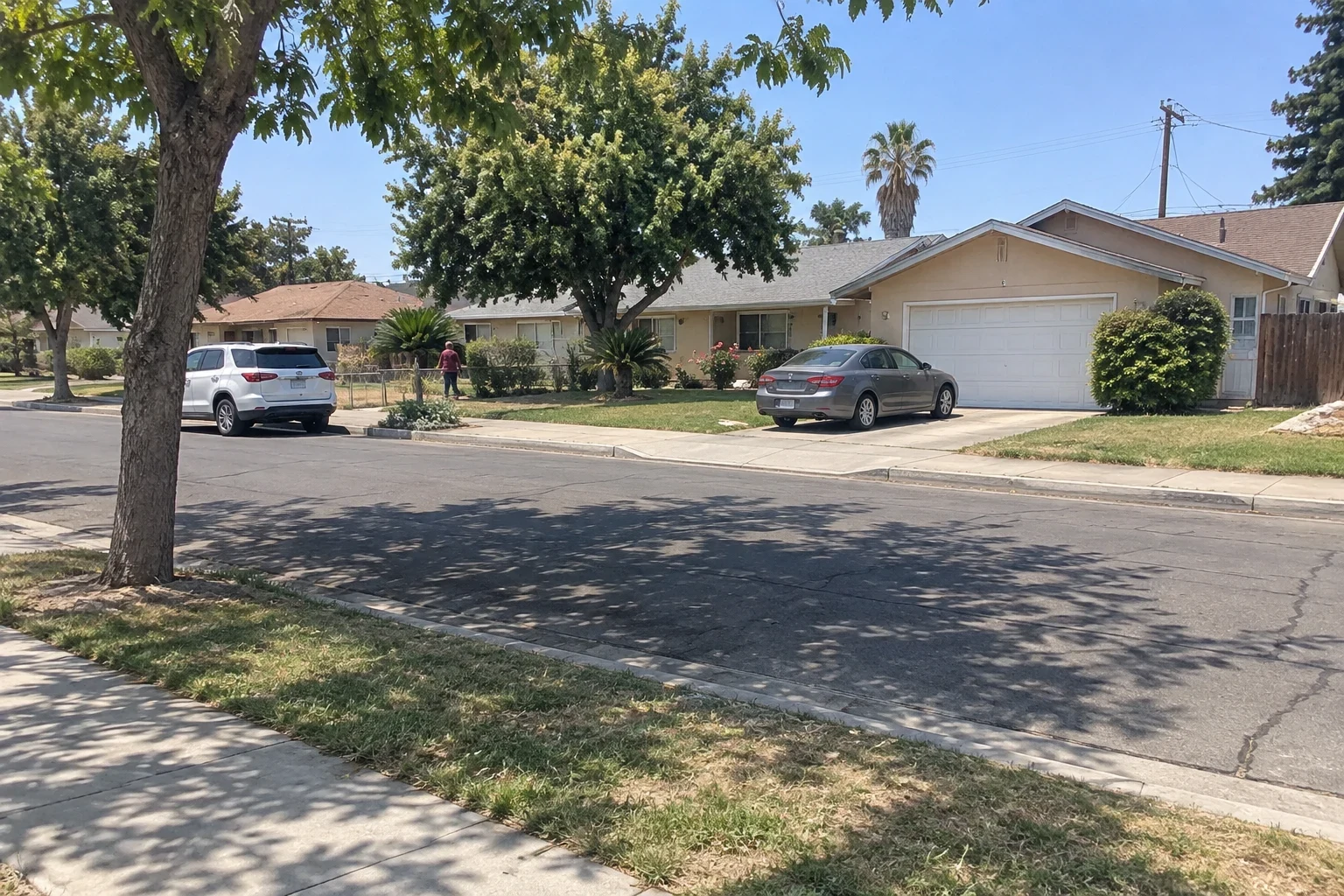
Life insurance is easier to sort out when nothing is forcing the decision. Here is what that looks like in practice.
- Your situation comes first
- You start with a few questions about the people who rely on you and the cover you have in mind, not with a pitch for a product. The options you see later grow out of those answers.
- Time to budget before you buy
- A premium is a bill you may pay for many years. Looking early gives you room to see how a policy would sit beside rent or a mortgage, groceries and school costs, and to rethink the amount before anything is signed.
- The mechanics written down
- We set out what moves a price and what applying involves right here, so the questions you are asked later make sense.
- The decision stays yours
- We don't recommend a policy or tell you how much to buy. You weigh the options at your own pace, ask as many questions as you like, and choose only if something fits.
From a Few Answers to a Decision
Getting life insurance tends to follow the same path. Here is what each stage usually asks of you, so you can fit it around the rest of your week.
- 1
Answer a few short questions
The questions ask for basics like your state, how much coverage you're picturing and the person you'd want to receive it. Answering takes about two minutes, and you can do it whenever your day has a gap.
- 2
An agent gets back to you
A licensed California agent who works in your area contacts you with options shaped by what you shared. That conversation is the place to ask about term or whole life, amounts and anything else on your mind.
- 3
Health questions, sometimes an exam
If you choose to apply, the application asks about your health, tobacco use and medical history. Some policies also call for a short medical exam.
- 4
The insurer makes its decision
The insurance company reviews every application, decides on it and sets the final price. After that you can accept the policy, or set it aside if it no longer suits your plans.

Questions People Ask Before They Start
- How much life insurance do people usually look at?
- Some people start by adding several years of income to whatever debts they'd want paid off. That is only a rule of thumb, not advice for your case. As a worked example, Census figures for Mendota (American Community Survey, 2023) put the median household income at $46,458, so several years of that would be one starting point, and a family in a home near the median value of $250,400 might add what is left on the mortgage. Since 47% of homes are lived in by their owner, many families rent; then there is no mortgage to add, though rent still has to be paid. Your own figures are what count.
- When do people usually start thinking about life insurance?
- Often when something shifts: a new home, a new baby, a marriage, or the sense that the family budget rests on one or two paychecks. There is no single right moment. Looking before anything is pressing leaves time to compare and budget, and because price follows your age and health when you apply, some people prefer not to wait.
- What should I have on hand before I begin?
- Rough numbers are enough: your yearly income, what you still owe on a mortgage or other debts, your monthly rent if you rent, and who relies on you. It also helps to know about any life policy you already have, so new coverage adds to it rather than doubling up. Exact figures can come later.
- Do I need to pick term or whole life before I start?
- No. Plenty of people begin unsure, and that is fine. The questions are about your situation, and the kind of policy can be sorted out afterward. Our Term Life Insurance and Whole Life Insurance pages cover each one if you want to read ahead.
- Is the money my beneficiary receives taxed?
- Under federal law, a payout to a named beneficiary is generally not taxed as income. Every situation is different, so ask a tax adviser about your own case.
- What if I buy a policy and then change my mind?
- Every life policy includes a free-look period of at least 10 days. If you cancel inside that window, the money you paid comes back to you. The policy itself states the exact number of days, so look for it when your papers arrive.
- What does naming a beneficiary involve?
- You name the person or people who would receive the money, and you can name more than one and divide it between them. Getting names spelled right matters. So does updating them after big changes such as a marriage or a new child, so the money goes where you meant it to.
- Can I get coverage without a medical exam?
- Some policies need no medical exam. They usually cost more or cover less than policies that include one, so people often weigh the convenience against the amount and the price. An agent can explain which kinds are open to you.
Towns We Serve Around Mendota
We serve families in Mendota and the towns around it, including Firebaugh, Kerman, San Joaquin, Madera, Dos Palos, Chowchilla, Madera Acres and Parksdale. The questions and the steps are the same in each town, and you can start from home wherever you live.
- Mendota
- Firebaugh
- Kerman
- San Joaquin
- Madera
- Dos Palos
- Chowchilla
- Madera Acres
- Parksdale
Our Service Areas page has more on the towns we cover, and the form asks where you live so your answers reach the right place.

Start Your Plan While There's Time
Answering takes about two minutes, and you can take as long as you need with the options that follow. Getting started on a calm week means the choices about your family's coverage stay in your hands.